Helsinki, Töölö
Renovation
Scope: 13,648 m²
Architect: SARC Architects
Responsible Structural Designer: Patrik Laakso
Structural Design Project Manager: Patrik Laakso
Complexity: Class V
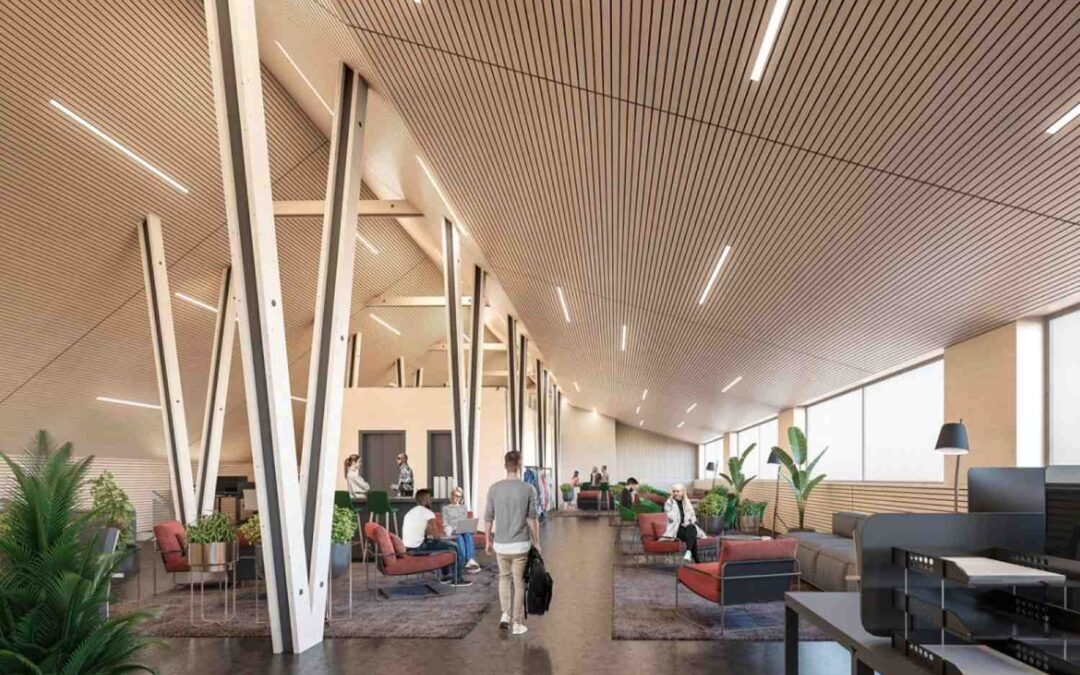
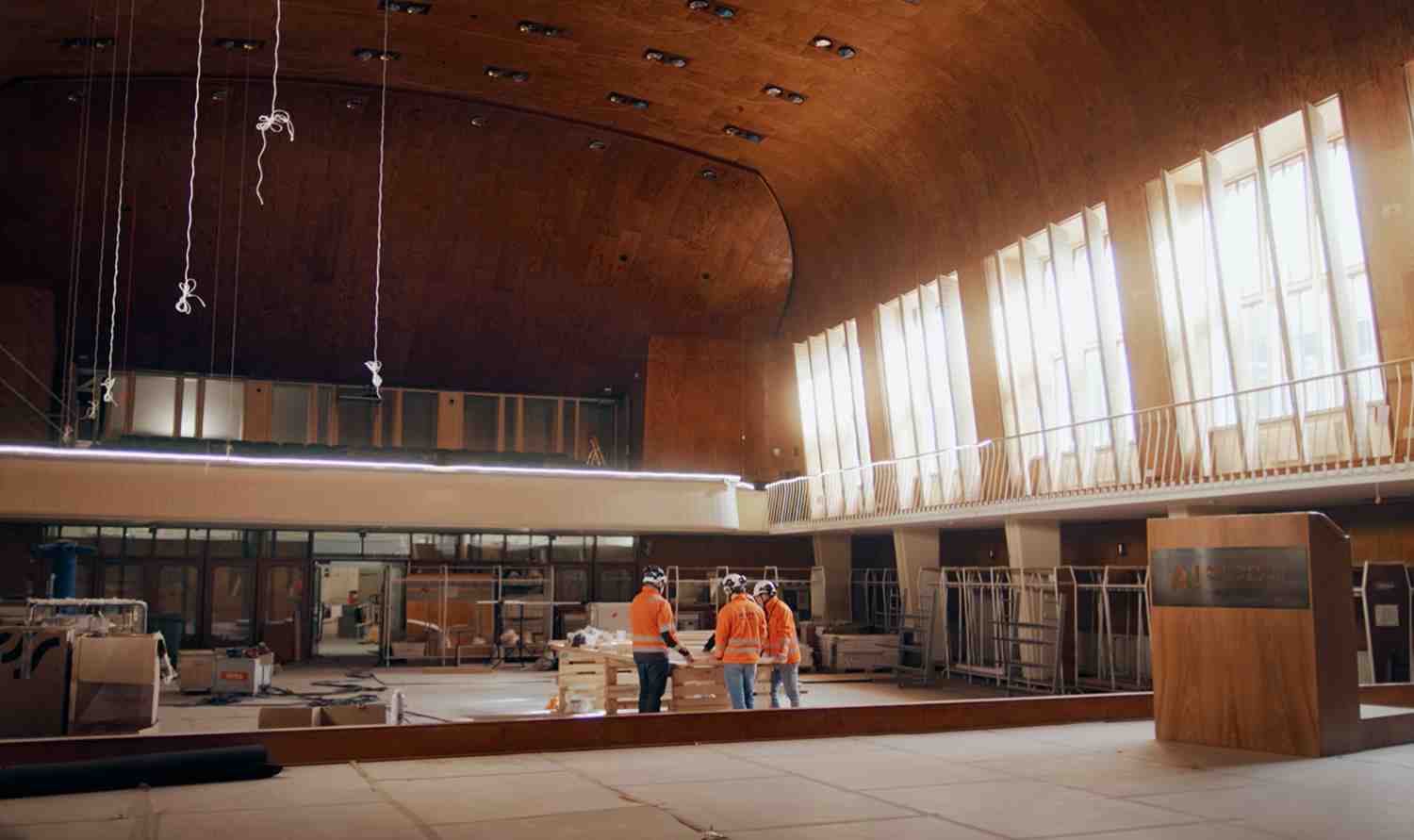
Designed by Woldemar Baeckman and Hugo Harmia, the building was originally completed in 1950. The last extensive renovation took place in 1996. The current renovation and modernization project began in spring 2019 and was completed in 2020. Nodetec was responsible for the structural design of the project, which involved addressing the challenges of integrating old structures, modern spatial requirements, and new building systems.
The project was a finalist in the “Construction Site of the Year 2020” competition by Rakennuslehti.
Key Features of the Project:
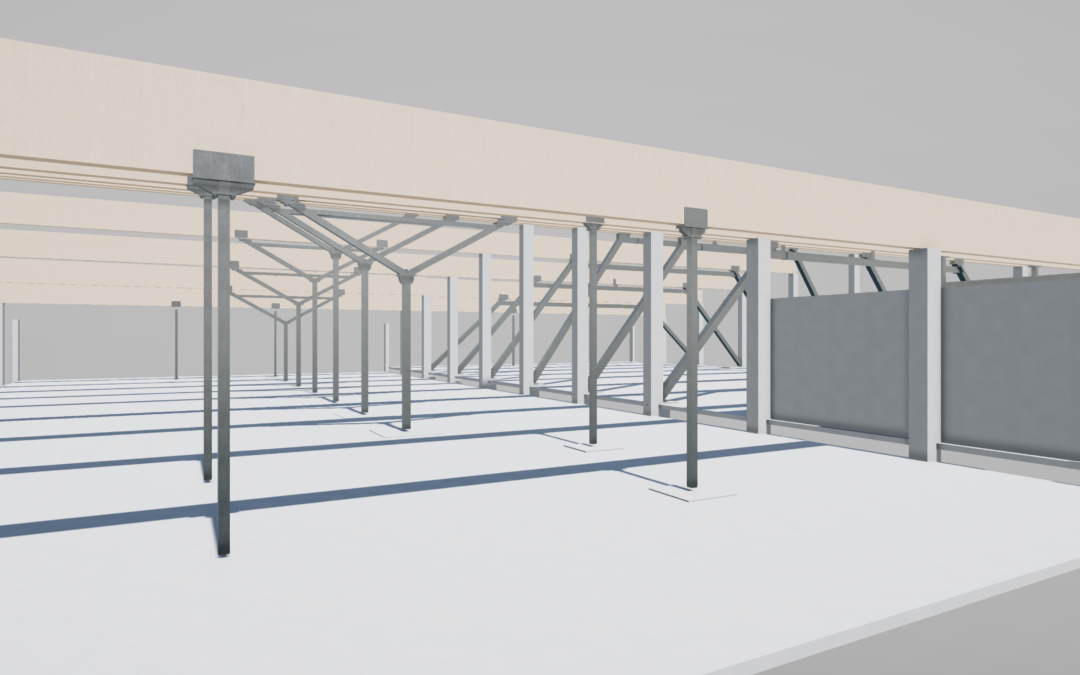
- Challenges in Integration: Coordinating old structures with new requirements and systems was a significant focus. Openings in massive old structures, temporary supports, interior excavation and reinforcement, and the design of new steel and concrete structures were critical elements.
- Collaboration and Communication: The project saw close cooperation between the client, contractor, and design team. Continuous communication with the contractor facilitated the development of better solutions and efficient decision-making.
- Logistics and Construction Sequencing: Structural design considered site logistics, equipment, and construction sequencing to ensure smooth implementation.
- Understanding Old Structures: Recognizing the behavior of the existing structures was essential for identifying constraints and opportunities for integrating new components.
- Building Physics Expertise: Upgrading the building’s spaces to meet modern standards required advanced knowledge of building physics.
Role of BIM:
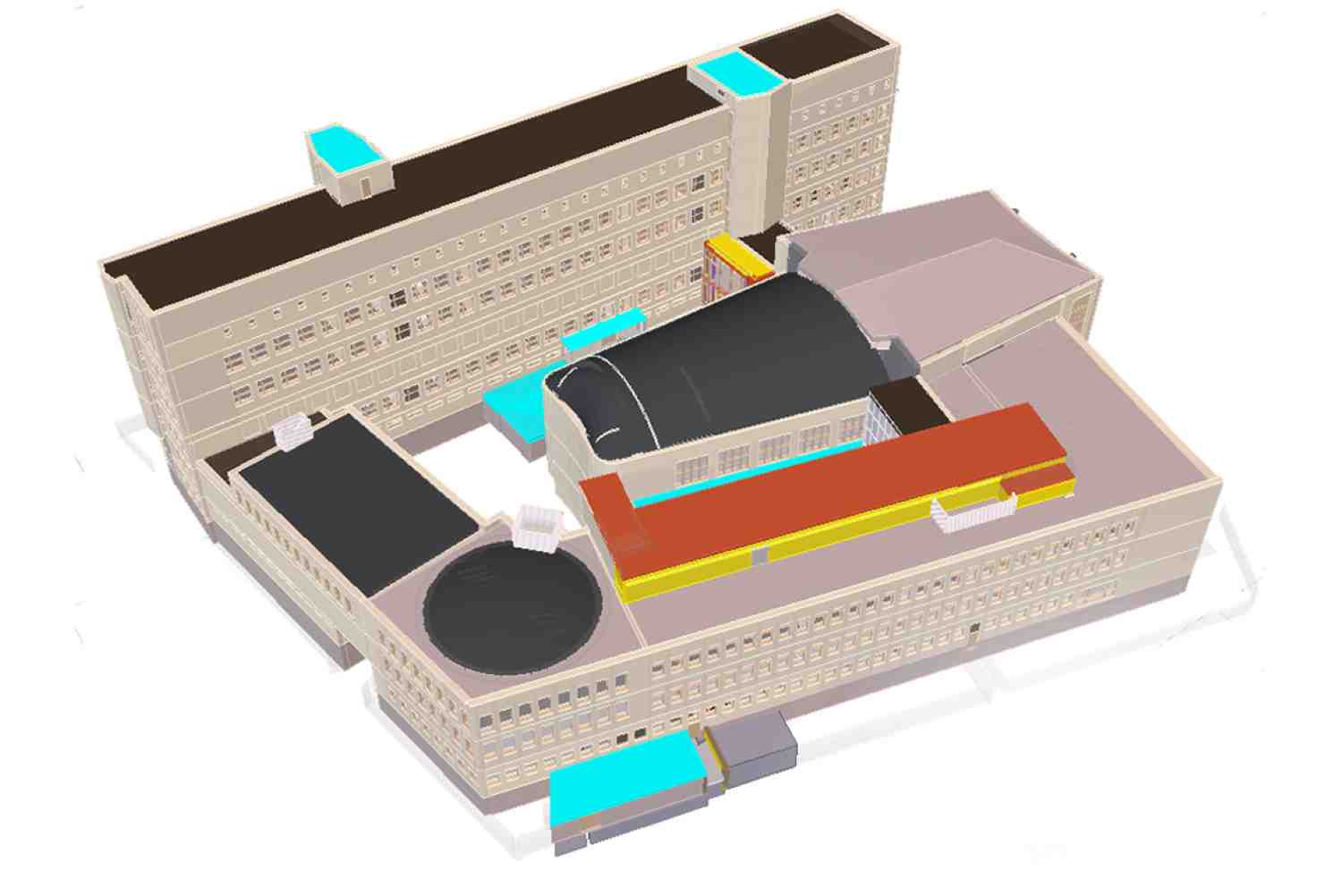
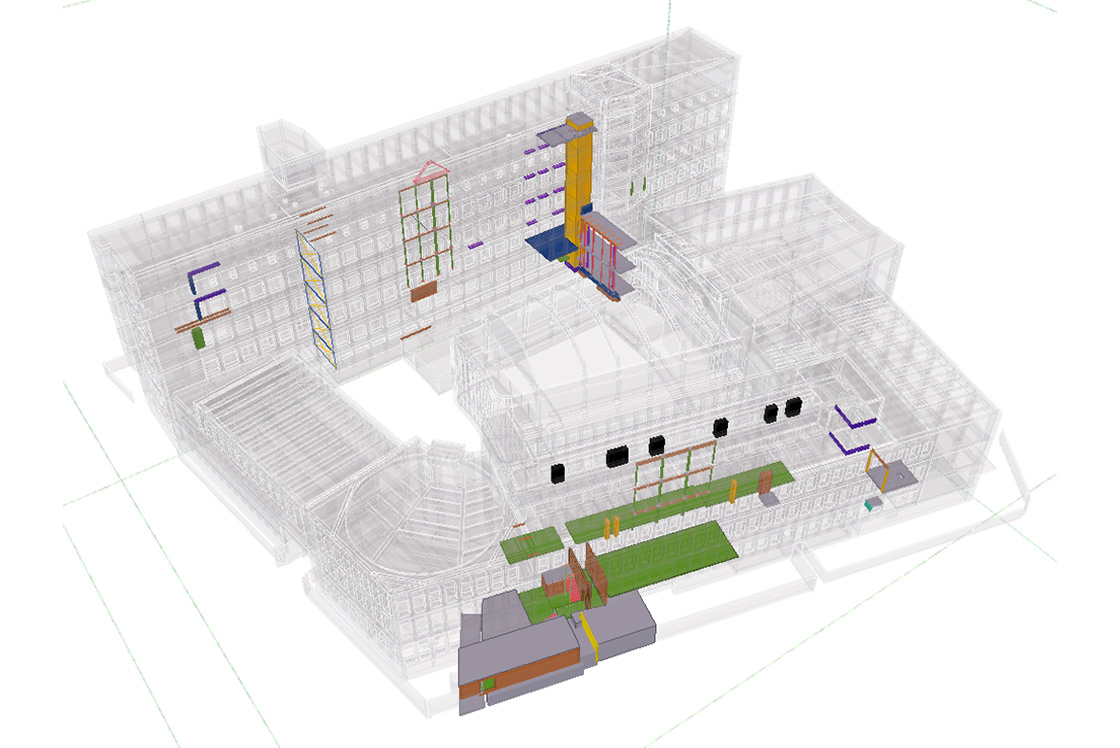
Building Information Modeling (BIM) played a vital role in the project’s design and execution. The structural model included existing, temporary, and new structures, along with elements to be demolished. The integration of modern spatial and technical requirements within the constraints of the old building required highly optimized solutions. Continuous coordination of models across disciplines was essential, and it was acknowledged that achieving such a level of integration would have been nearly impossible without BIM.